5 Signs Your German Car’s Suspension Needs Attention
German engineering is world-renowned for providing a "planted" feel—that perfect balance of comfort and precision. However, because brands like BMW, Mercedes-Benz, and Audi use complex multi-link setups and air suspension systems, wear and tear can be subtle before it becomes serious.
If that signature "vault-like" ride quality starts to fade, your suspension is trying to tell you something.
I. The "Nosedive" or "Squat"
When you hit the brakes, does the front of your car dip significantly toward the pavement? Conversely, when you accelerate, does the rear end "squat"? This is a classic sign of worn shock absorbers or struts. Your suspension is no longer able to manage the weight transfer of the vehicle.
II. Unusual Noises Over Bumps
German cars are designed to be quiet. If you start hearing "clunking," "knocking," or "creaking" sounds when driving over speed bumps or turning into a driveway, it’s often the control arm bushings or ball joints. In many German models, these rubber components are fluid-filled for extra vibration damping; once they leak or crack, the metal starts to knock.
III. The "Planted" Feeling is Gone
If your car feels "floaty" or continues to bounce several times after hitting a dip in the road, your dampers are likely shot. A healthy German suspension should compress and rebound exactly once, then settle immediately.
IV. Visible Leaks or "Tilted" Stance
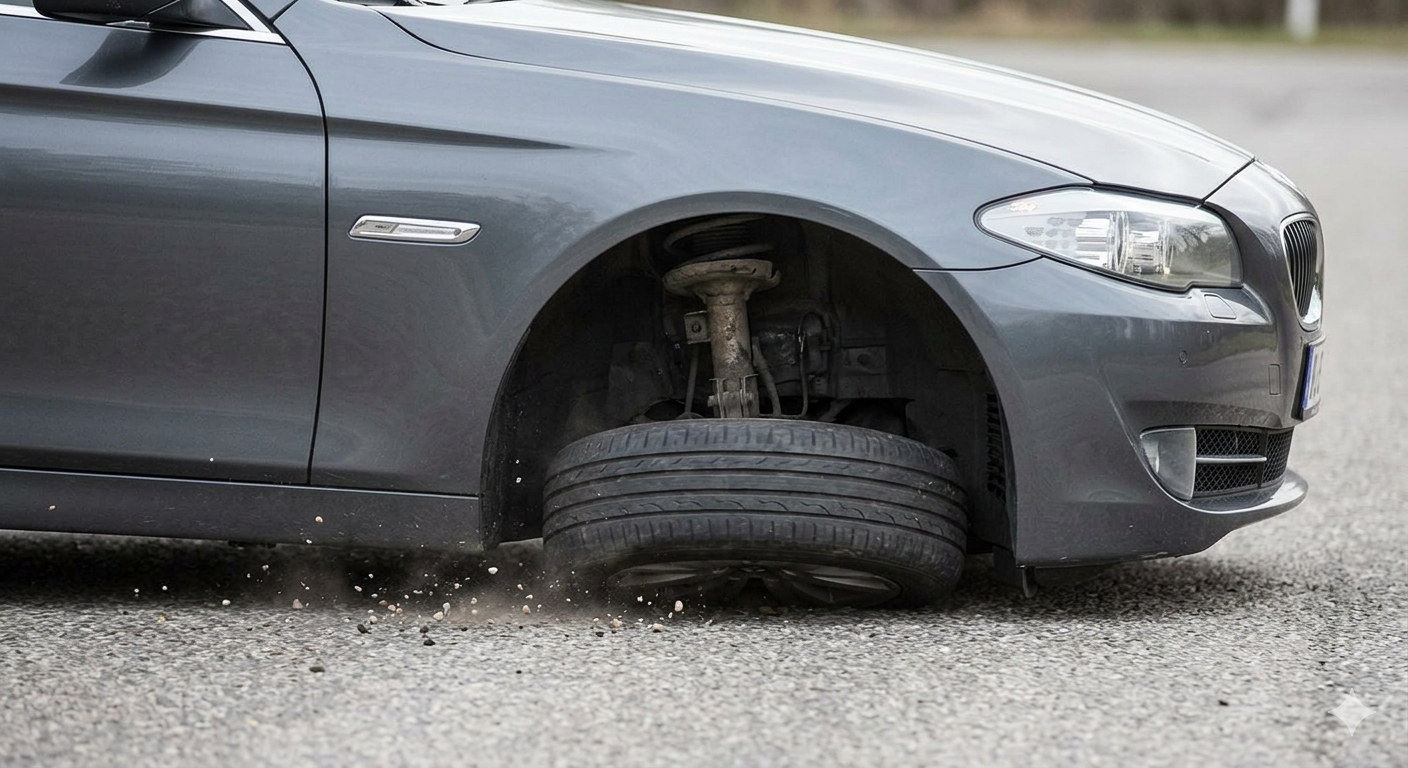
Many premium German SUVs and sedans use Air Suspension. If you walk out to your garage in the morning and find one corner of the car sitting lower than the others (the "lean"), you likely have a leak in an air bag or a failing compressor. If you have traditional shocks, look for oil leaking down the side of the strut body.
V. Uneven Tire Wear
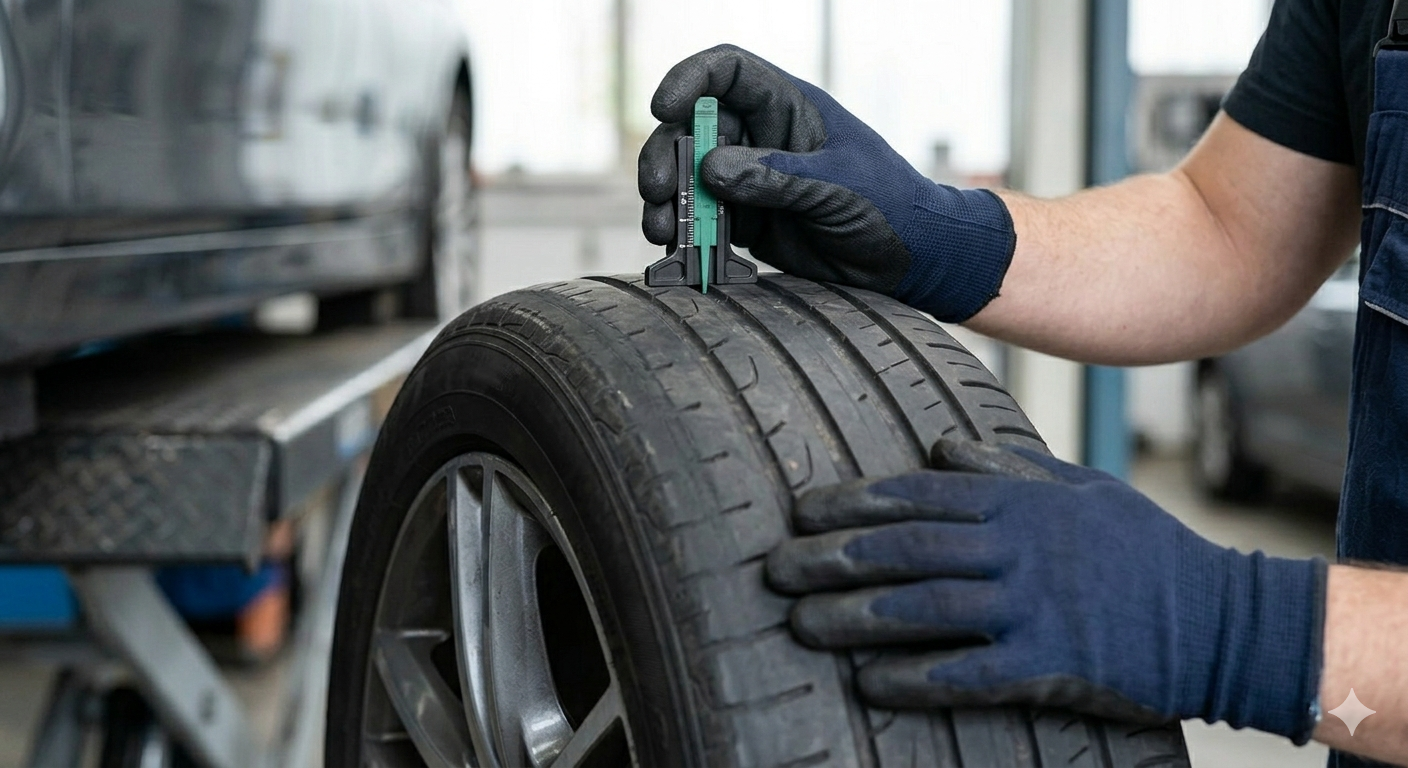
If the inner or outer edges of your tires are wearing down faster than the rest of the tread, your alignment is out of spec. This is often caused by worn-out suspension components that can no longer hold the wheel at the correct angle.